
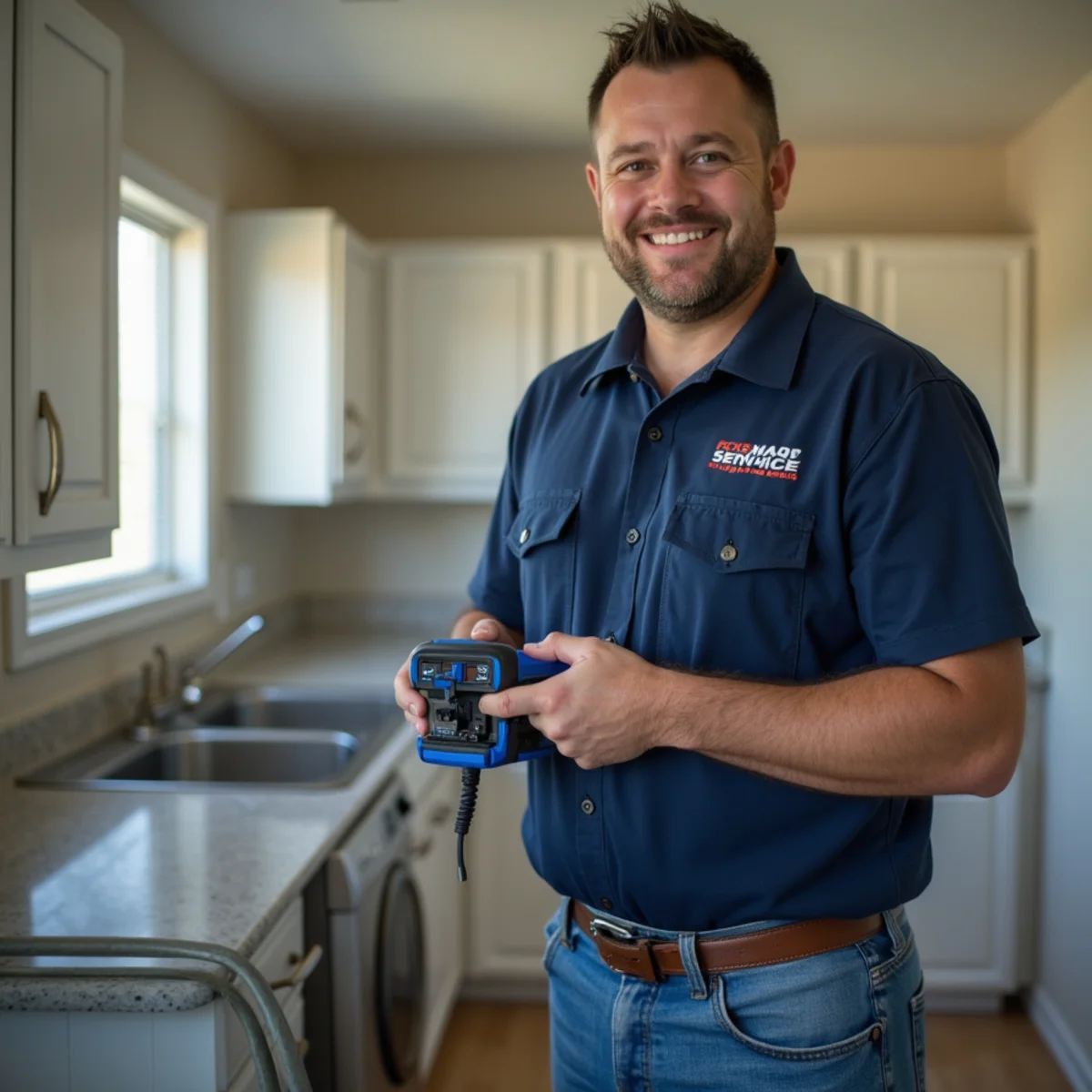
Gray polybutylene pipes are a ticking time bomb in Central Florida homes built between 1978 and 1995. Here is why municipal water degrades them and how repiping solves the problem. In Central Florida homes, immediate water supply isolation, rapid electrical safety measures, and professional diagnostics by a licensed master plumber prevent structural foundation erosion, toxic black mold growth, and denied insurance claims.
Critical Takeaways for Florida Property Owners
- Chlorine and chloramines in municipal water break down polybutylene from the inside out.
- Polybutylene often shows zero exterior warning signs before bursting suddenly.
- Florida insurance companies frequently cancel or deny coverage for homes with polybutylene.
- Uponor PEX-A expansion piping provides a permanent, warrantied, code-compliant replacement.
Step-by-Step Action Sequence for Central Florida Properties
When confronting plumbing emergencies or system failures, execute these four tactical steps to safeguard your property and streamline repairs:
Locate your street-side water meter box or exterior main ball valve and rotate clockwise 90°. If leaks occur near appliances, flip the corresponding 30A electrical breaker immediately.
Capture clear timestamped photographs of pooling water and affected baseboards. Remember that the EPA clean-water mold propagation window is strictly 24 to 48 hours in Florida.
Avoid destructive exploration. A licensed master plumber uses digital acoustic sensors, thermal cameras, and pressure decay gauges to locate hidden failures without jackhammers.
Ensure all major pipe replacements or water heater installs are permitted under Florida Building Code Section 105, protecting your insurance claims and real estate disclosure value.
What Is Polybutylene and How to Identify It
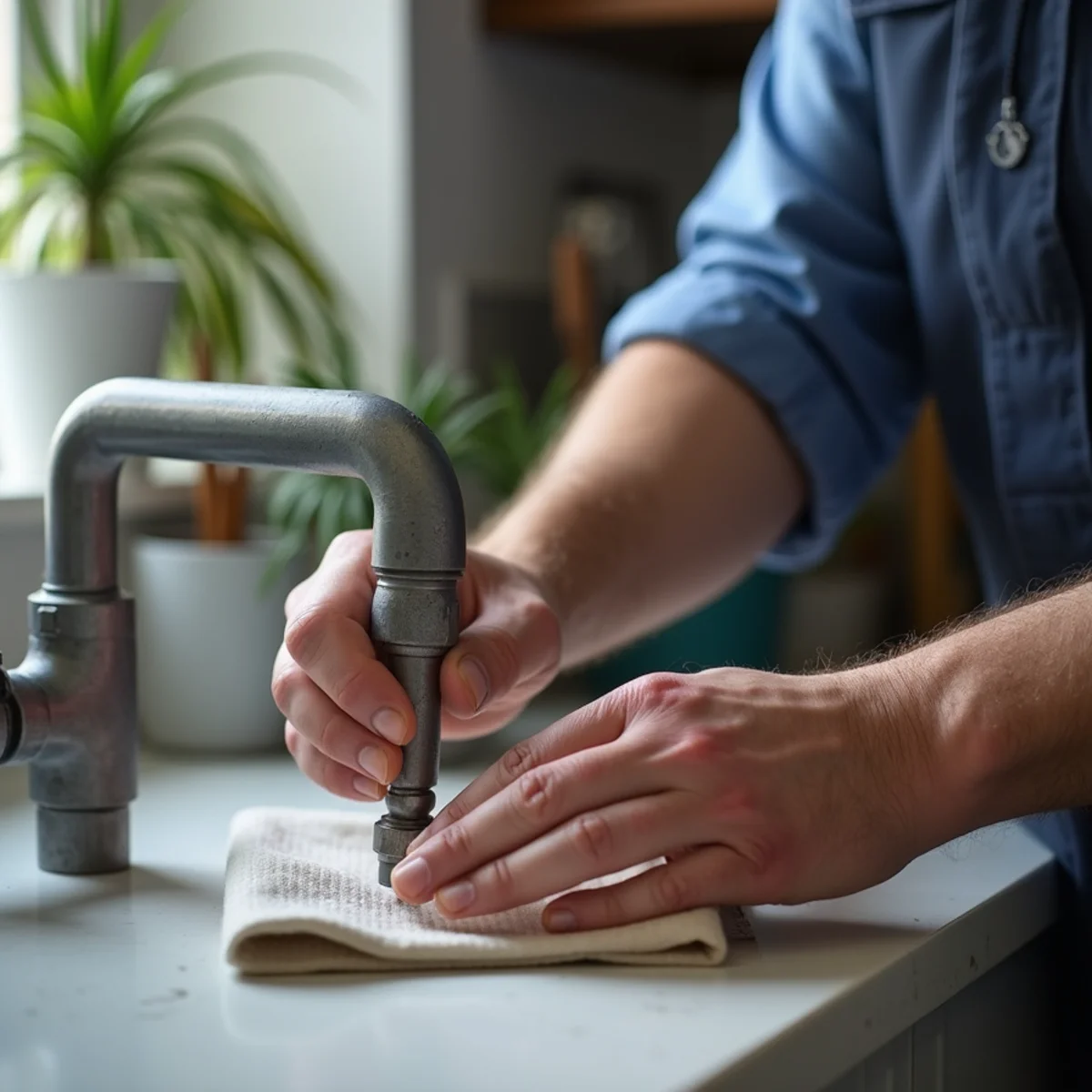
Polybutylene is a flexible gray plastic pipe commonly stamped with 'PB2110'. It was widely installed across Central Florida from 1978 through 1995. Check where pipes enter your water heater, underneath kitchen sinks, or near your main water shutoff.
The Microscopic Failure Mechanism
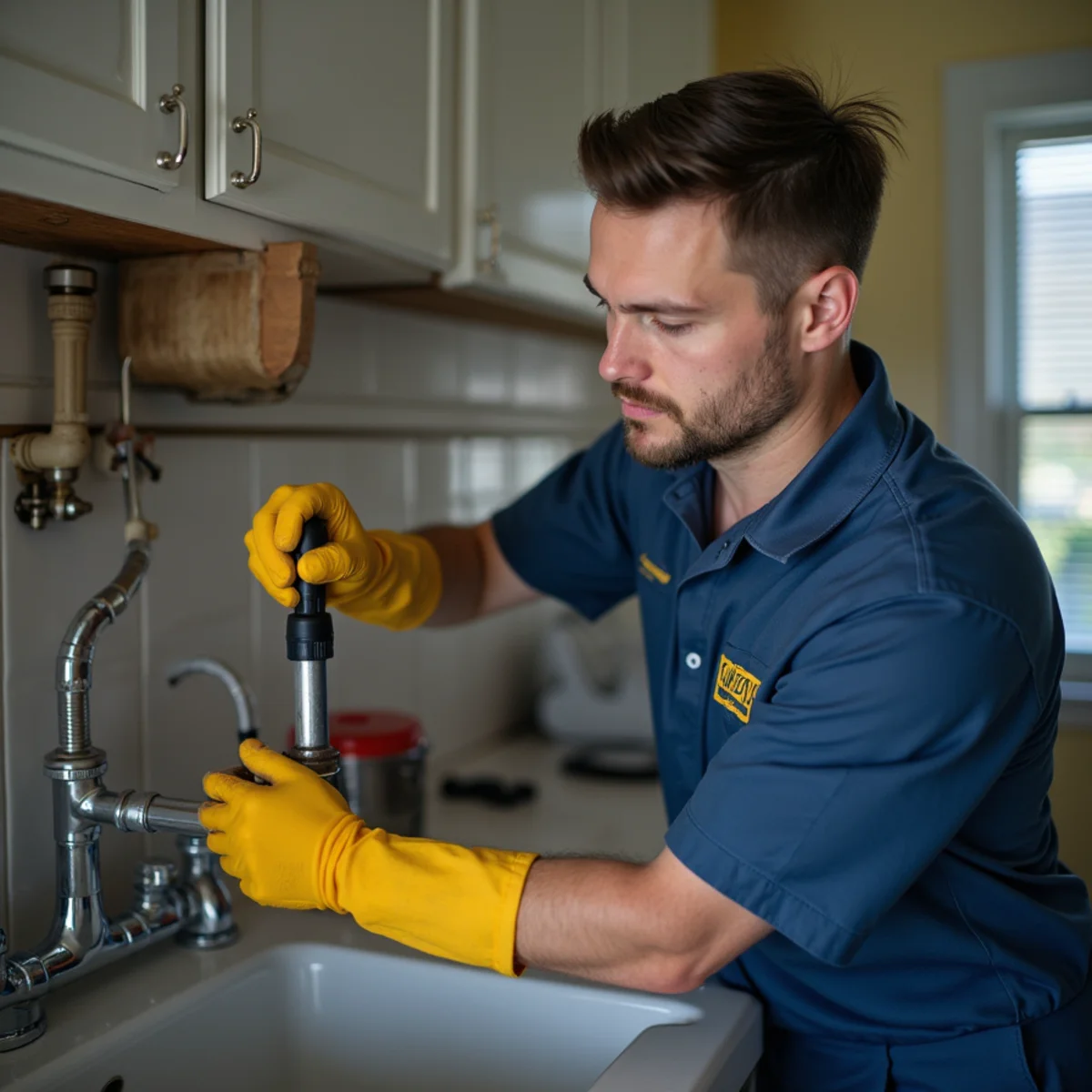
Disinfectants like chlorine in treated municipal drinking water react chemically with the inner polybutylene polymer chains. Over 10 to 20 years, microscopic stress micro-cracks propagate outward. Because the pipe fails from the inside, it looks pristine on the outside until it suddenly bursts.
Florida Insurance 4-Point Inspection Rejections
Citizens Property Insurance and private Florida carriers require a 4-Point Inspection for homes over 20 years old. If polybutylene is detected, coverage is routinely denied until the home is completely repiped and certified by a licensed plumbing contractor.
Florida Plumbing Code & Diagnostic Reference Matrix
The following technical matrix outlines key evaluation criteria, local environmental variables, and Florida Building Code standards relevant to this plumbing topic:
| Evaluation Factor | Central Florida Risk Profile | Code / Regulatory Standard | Recommended Solution |
|---|---|---|---|
| Floridan Aquifer Hardness | 120–180+ PPM dissolved calcium carbonate and magnesium | FBC Plumbing Section 604 (Water Supply Protection) | Annual descaling & whole-home water conditioning |
| Slab-on-Grade Foundations | Pressurized copper under concrete subject to friction and pitting | FBC Residential Chapter 26 (General Plumbing Requirements) | Acoustic leak pinpointing & overhead Uponor PEX-A repiping |
| Municipal Water Pressure | Surges exceeding 85 PSI due to utility fluctuations and failed PRVs | FBC Plumbing 604.8 (Maximum Static Pressure 80 PSI) | Pressure-reducing valve (PRV) installation & gauge testing |
| Sub-Tropical Humidity & Mold | Black mold cultivation initiates within 24–48 hours of clean water loss | EPA Clean Air & Florida Remediation Guidelines | Rapid 30–45 min dispatch & structural moisture mitigation |
| Chloramine Pipe Degradation | Municipal disinfectant oxidizes vintage polybutylene and thin copper | Florida Insurance Underwriting & 4-Point Inspection Standards | Complete overhead PEX-A repiping with attic manifold |
| Tree Root Lateral Intrusion | Live oak and palm taproots penetrate aged cast iron and clay joints | FBC Plumbing Chapter 7 (Sanitary Drainage Systems) | 4,000 PSI hydro jetting & trenchless epoxy pipelining |
What Plumbing Repairs & Diagnostics Typically Cost in Orlando
Reputable Florida master plumbing contractors provide binding written estimates prior to commencing work. Based on regional labor and municipal permitting rates across Orange and Seminole Counties, typical planning ranges include:
Credited toward approved repairs
Cable snaking to 4,000 PSI hydro jetting
Non-destructive acoustic & thermal tracing
Why Central Florida Property Owners Trust Total Plumbing
Whether you need immediate emergency pipe splicing, water heater replacement, or scheduled whole-home repiping, Total Plumbing & Construction eliminates the stress of plumbing repairs. We provide upfront binding flat-rate pricing, state-certified master craftsmanship, and comprehensive clean-up under unified Florida contractor licensing (#CFC1428520 & #CRC1331824).
Related Plumbing Services:
Service Areas Mentioned:
Frequently Asked Questions
Can I just replace the visible polybutylene sections?
No. Insurance carriers require complete whole-home repiping from the main shutoff to all fixtures. Splicing small sections leaves hidden risk in walls and attics.
How does Central Florida's municipal water affect this plumbing issue?
Municipal water across Orlando and Central Florida is drawn from the Floridan Aquifer, carrying between 120 and 180+ PPM of dissolved calcium and magnesium alongside municipal chloramines. This accelerated mineral hardness causes premature scale accumulation, degrades rubber seals, and accelerates galvanic corrosion in copper and brass plumbing components.
Does homeowners insurance in Florida cover repairs related to polybutylene pipes: why so many orlando homes need repiping?
Most Florida homeowners insurance policies cover resultant water damage from sudden and accidental plumbing failures (such as emergency water extraction, drywall replacement, and structural drying), but typically exclude the direct repair of the pipe or fixture itself. Total Plumbing & Construction provides itemized, insurance-ready documentation to support your claim.
What Florida Building Code standards apply to this repair?
Under the Florida Building Code (Plumbing & Residential 8th Edition), major plumbing modifications—including whole-home repiping, water heater replacements, and sewer line excavations—require official municipal permits and certified inspections to safeguard structural integrity and protect your property's resale value.
How quickly can Total Plumbing dispatch a master plumber for this issue in Orlando?
Total Plumbing & Construction provides priority emergency dispatch within 30 to 45 minutes across Orange County, Seminole County, and greater Orlando. Our licensed technicians arrive in fully equipped service vehicles with replacement parts, Uponor PEX-A tooling, and commercial diagnostic gear ready to complete repairs on the initial visit.
Need Professional Plumbing Assistance in Orlando?
Total Plumbing & Construction has provided trusted plumbing repairs and remodeling since 2007. Call (831) 290-4327 today or request a free estimate online.